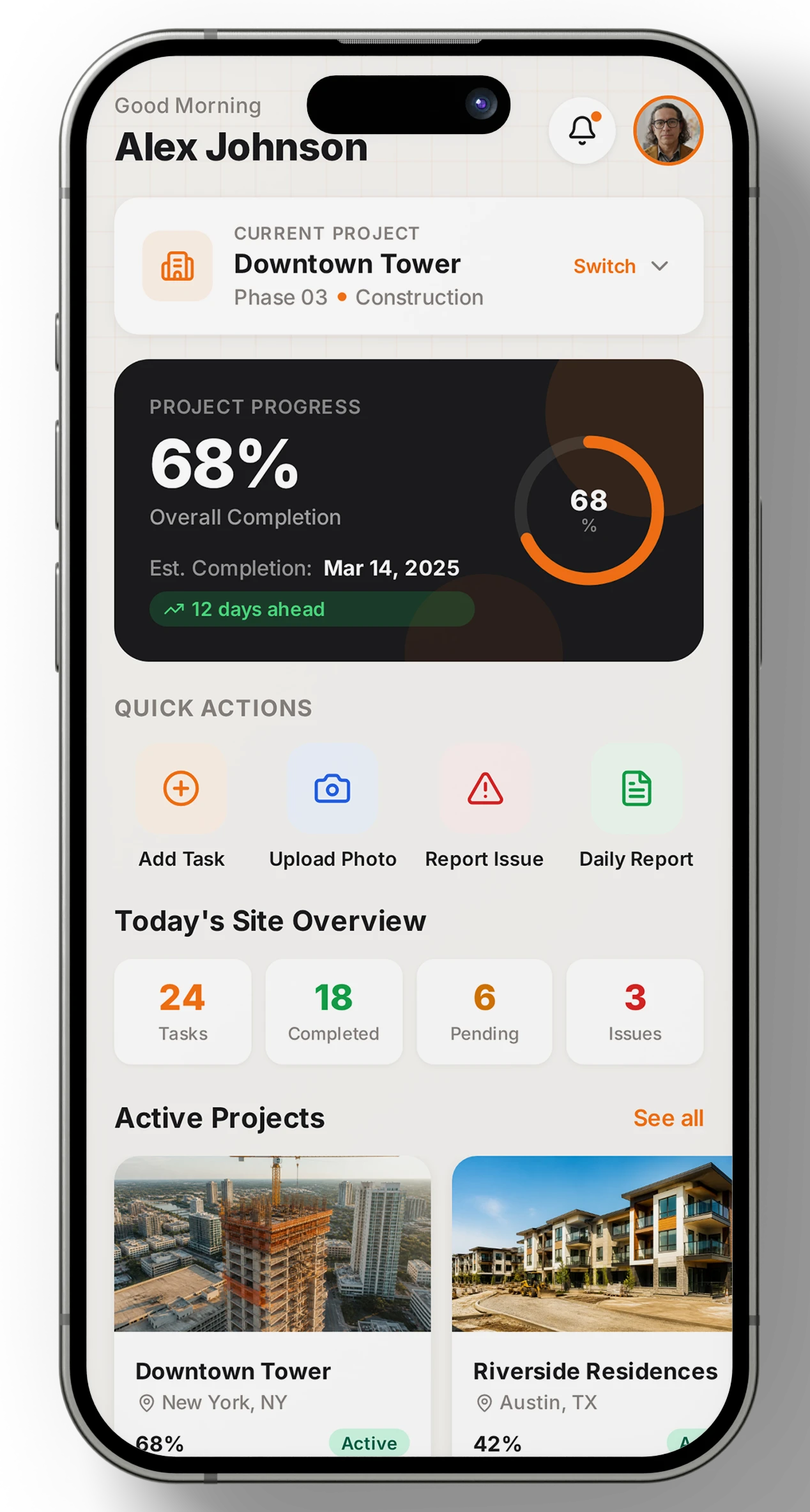
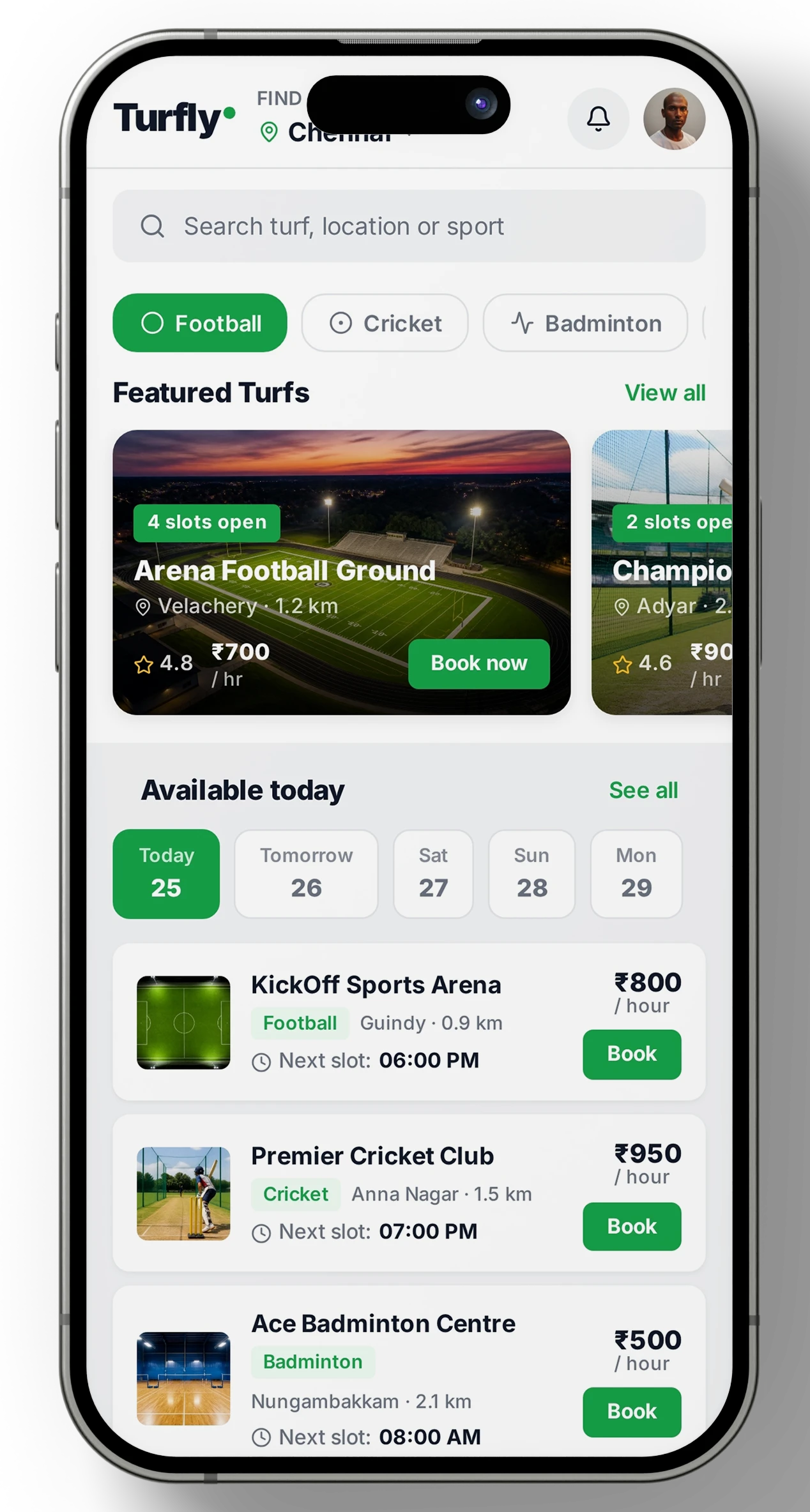
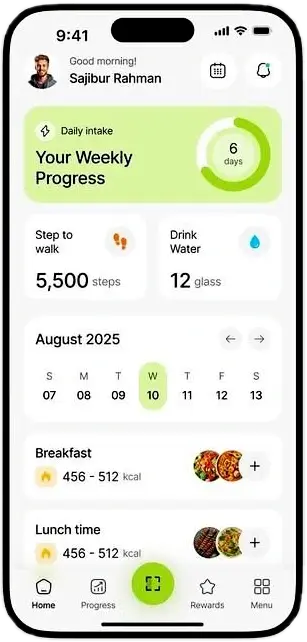
React Native & Cross-Platform Expertise
We evaluate React Native against your product requirements, platform needs, integrations, performance expectations, and long-term roadmap before development begins.



 React Native App Development for Startups, Growing Businesses & Enterprises
Building mobile products that work beautifully on iOS and Android, without doubling your development effort. Code Neptune is a React Native development company in Chennai delivering applications that are fast to market, clean in architecture, and built to grow with your product.

Cross-
Platform Apps

Product
UI/UX

API & Backend
Integration
Our Customers trust Heap for digital insights

Top Mobile App Development Company

Top Web Designing Company
Top Verified Agency

Leading Design Agency

Best Company 2025 SEO Winner

Top Business Firms Verified
Leading Verified Agency

Top Digital Agency
React Native earns its place not because it is fashionable, but because it solves a genuine business problem: reaching iOS and Android users from a single, maintainable codebase.
Shared application logic means development effort, bug fixes, and feature releases apply to both iOS and Android simultaneously, removing coordination and maintenance overhead.
For businesses validating a product idea, React Native keeps early-stage costs rational while delivering a real native experience. Changes propagate once rather than twice.
For teams already working in React or JavaScript, React Native removes the context-switching cost of maintaining parallel codebases across web and mobile.
Libraries, debugging workflows, and community support are mature, with integrations available for authentication systems, analytics platforms, payment providers, and common third-party tools.
Within 72 hours of your first conversation, you receive a clear blueprint covering scope, timeline, key features, technology considerations, and estimated investment. This is how we work with every client from day one.
![[object Object]](/services/img2.webp)




We evaluate React Native against your product requirements, platform needs, integrations, performance expectations, and long-term roadmap before development begins.
User journeys and interfaces are designed around real product actions, platform conventions, onboarding, usability, and retention.
Application architecture, state management, API communication, and backend foundations are planned to support future product expansion.
Every engagement starts with an NDA, protecting your idea, business logic, product strategy, and technical details.
Strategy, design, development, testing, deployment, and ongoing support stay connected through one delivery team, with clear scope, milestones, and communication throughout.
Updates, issue resolution, dependency upgrades, performance improvements, and future feature development continue after launch.
Code Neptune provides end-to-end React Native app development services from early product thinking through to post-launch iteration. We work across the full delivery lifecycle.
Before any code is written, we help you define what actually needs to be built. We work through feature scope, user flows, integration requirements, and platform considerations so that development begins with clarity rather than assumption.
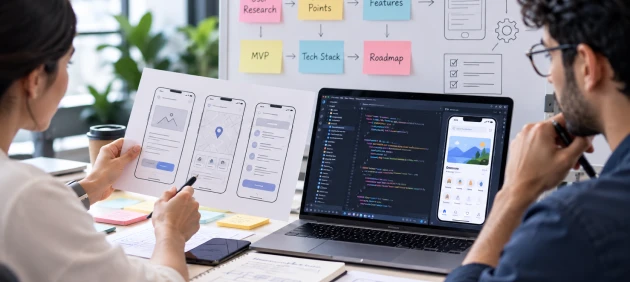
Strong mobile products require strong mobile interfaces. We collaborate with design to produce interaction patterns that feel native, responsive, and considered. Where design does not yet exist, we bring structure and platform-aware guidance.

For teams validating a product, we build focused, shippable MVPs that test core assumptions without overbuilding. Speed matters, but so does the quality of what you ship.

Beyond MVP, we build complete, production-ready mobile applications with robust state management, API integration, authentication, role-based access, and performance architecture suited for real-world usage at scale.
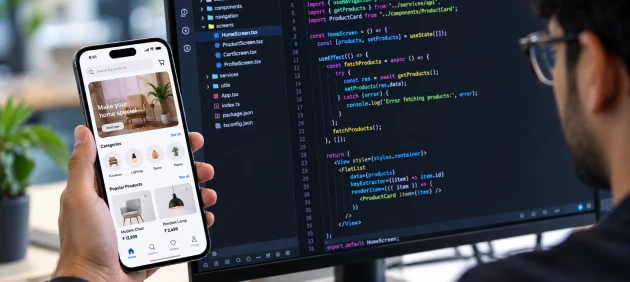
React Native is a frontend layer. The applications we build are connected to backends, whether existing APIs, third-party services, or new backend systems developed in parallel. We structure integration cleanly to avoid brittle dependencies.
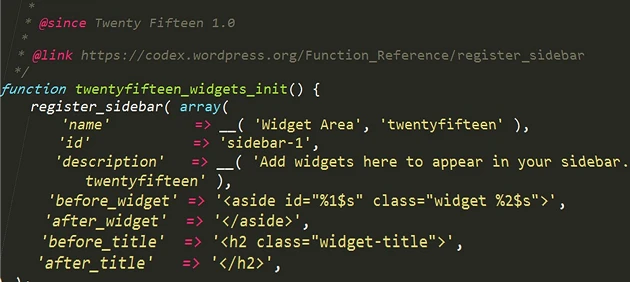
Where React Native alone is not sufficient, we integrate native iOS and Android capabilities for platform-specific functionality.
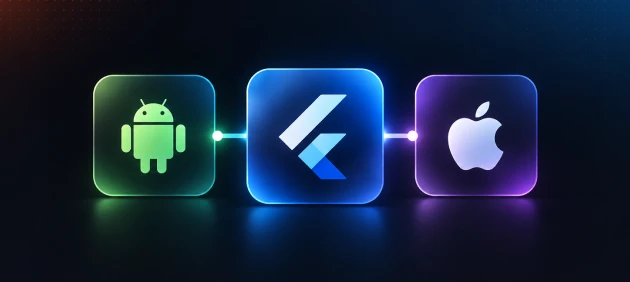
Getting an app through Apple App Store and Google Play review processes is not trivial. We handle build configuration, signing, store assets, metadata, and submission so you clear the process without avoidable delays.

Products do not end at launch. We provide ongoing support for bug resolution, dependency updates, platform OS changes, performance tuning, and feature additions as your product evolves.

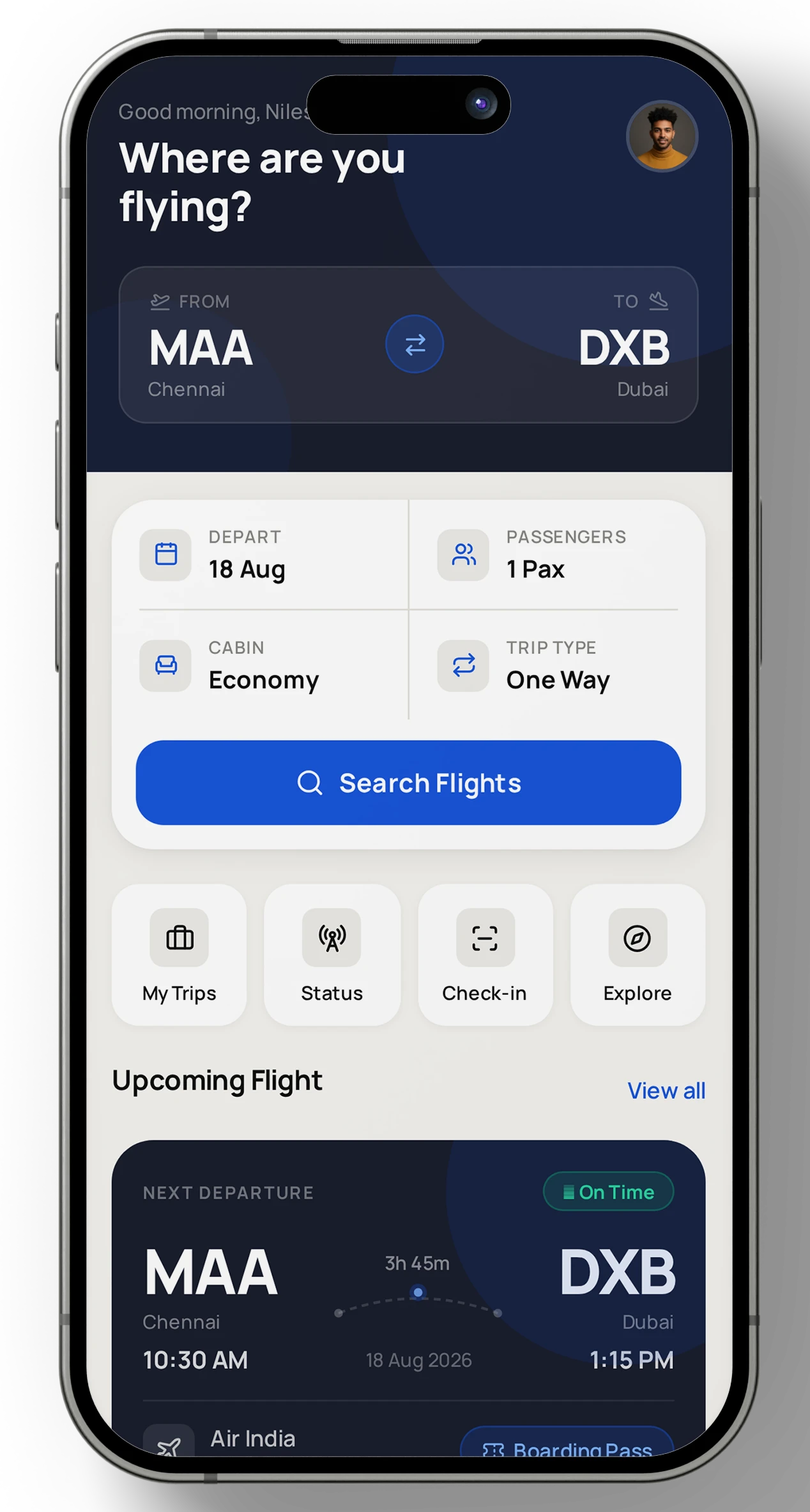
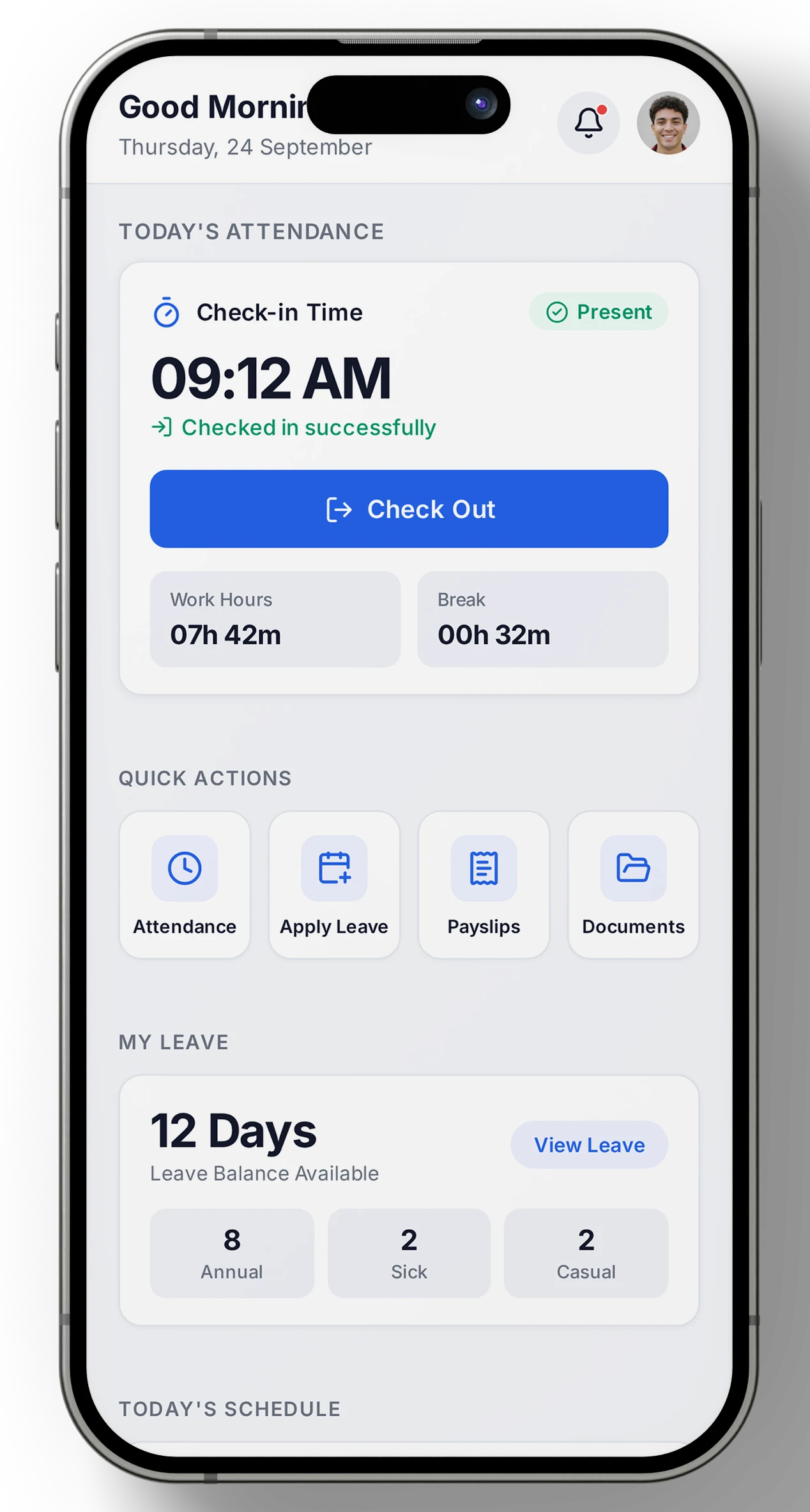
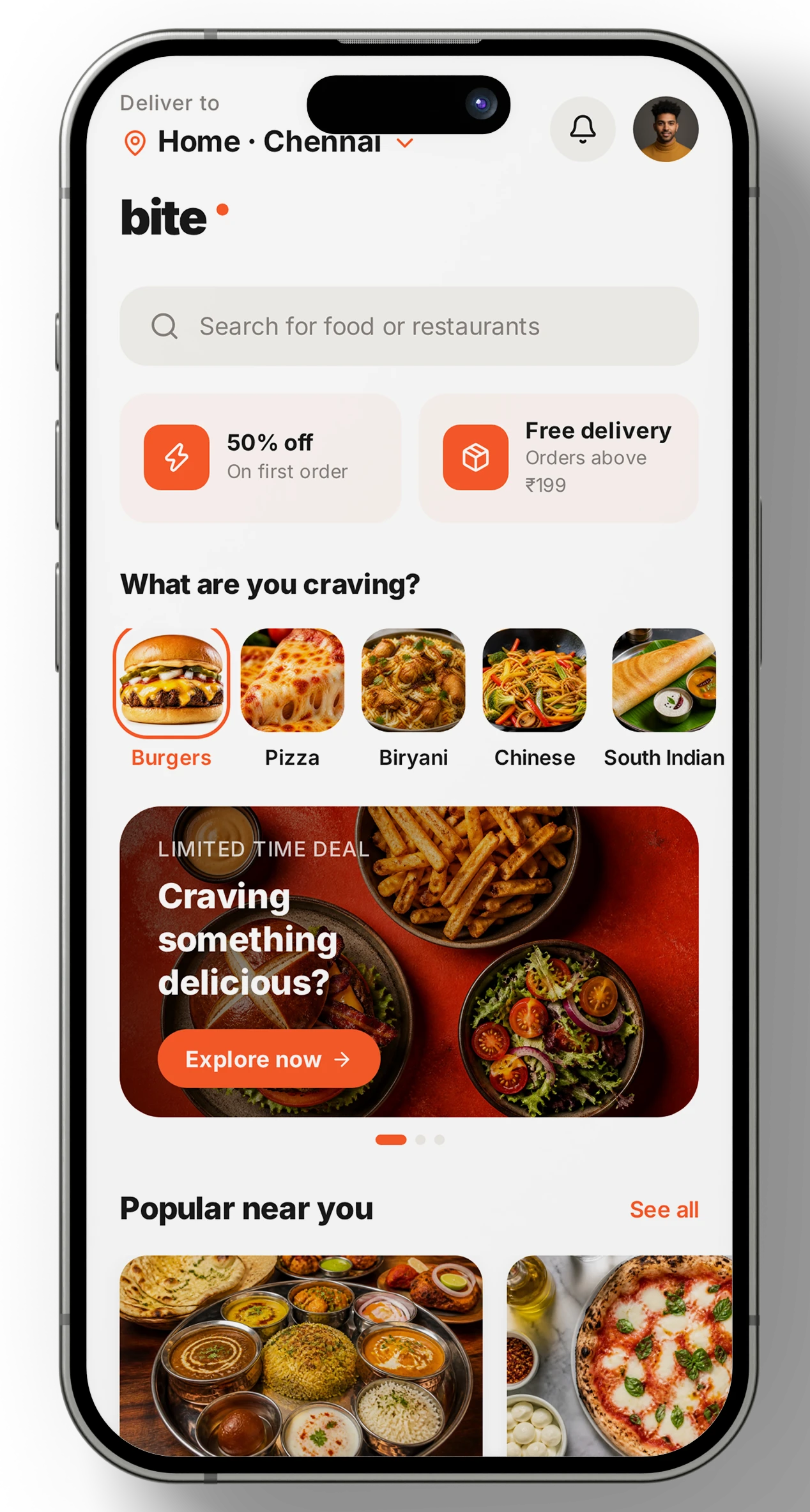
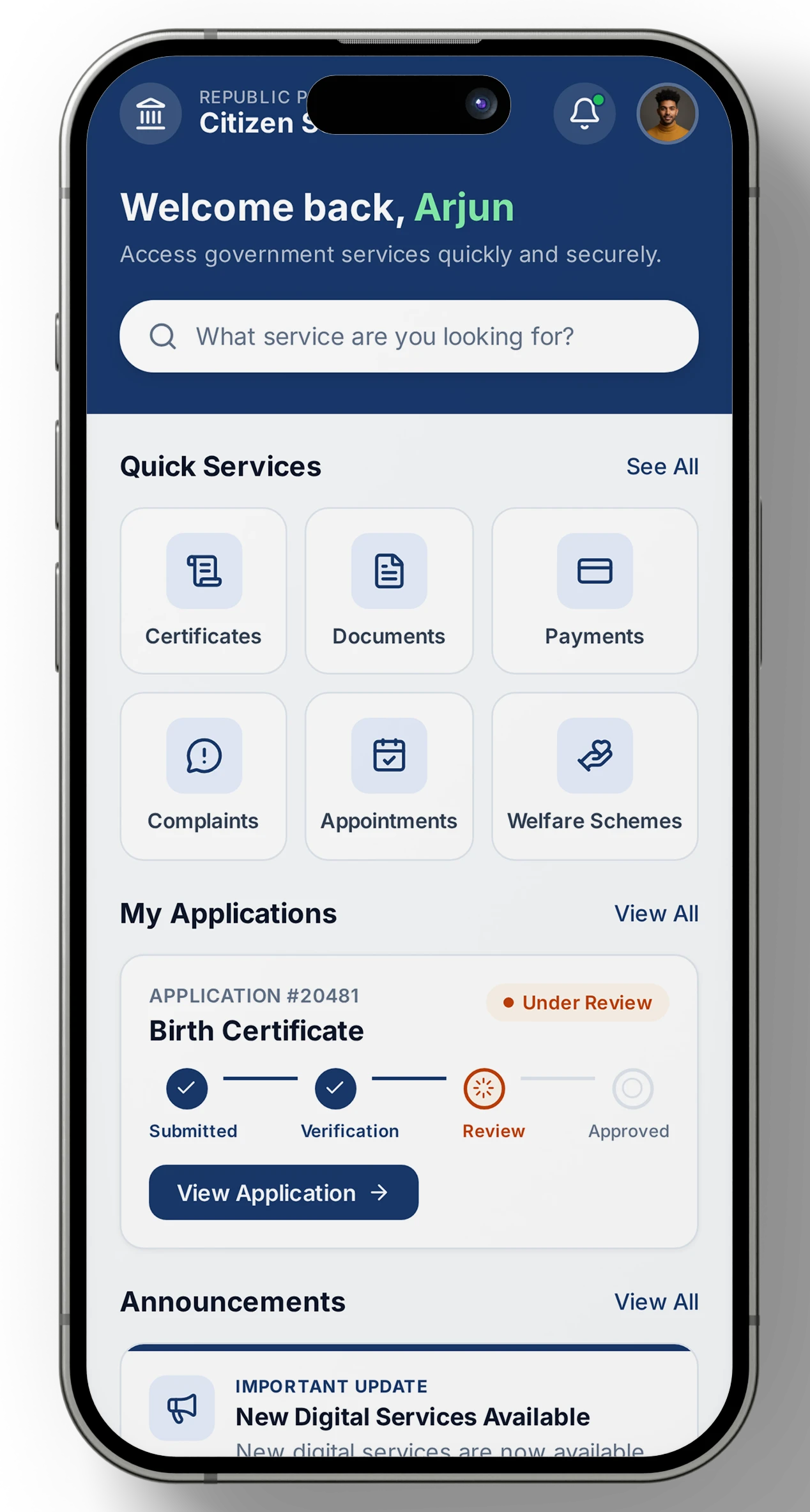
React Native is well-suited to a wide range of business and consumer applications, particularly products that need cross-platform mobile app development across iOS and Android. The projects we most commonly work on include:

Real projects, real outcomes. Explore how we've helped businesses across industries turn ambitious ideas into scalable, intelligent products.
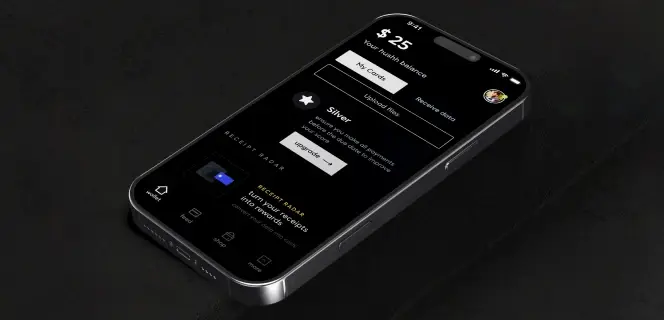
Challenge
Hushh needed a social networking platform created specifically for fashion enthusiasts, while also introducing an intelligent approach to personal data assistance.
Solution
Code Neptune developed a web and mobile platform using Flutter, React, Next.js, Python, PyTorch 3.0, and Big Data technologies to support the social experience and AI-driven capabilities.
Impact
The platform has reached 50K+ downloads in the USA.
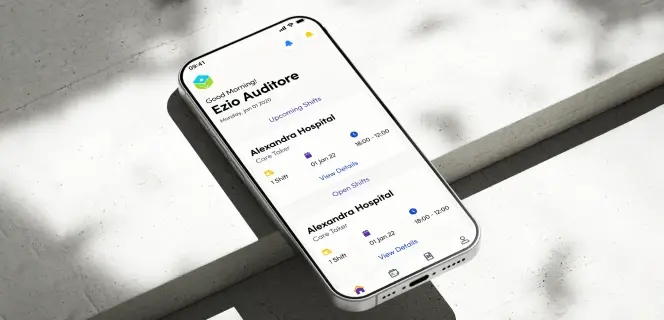
Challenge
Staffing agencies need to process workforce information efficiently while making faster operational decisions around employee scheduling.
Solution
Code Neptune developed a web and mobile employee management and scheduling platform using React.js, Node.js, MongoDB, Kotlin, and Swift.
Impact
The platform serves 10K+ agencies across the United Kingdom.
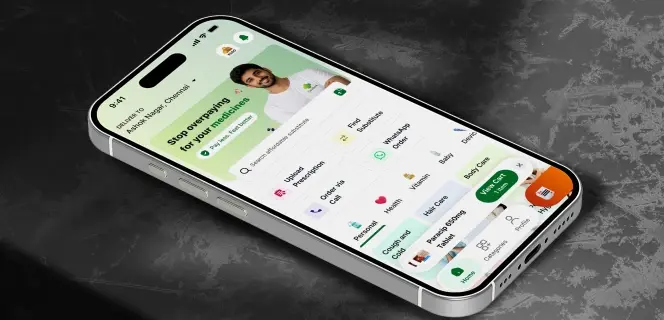
Challenge
Care Sure consolidated separate medicine purchasing, expert consultation, and lab testing services into one digital platform.
Solution
Code Neptune built an integrated web and mobile healthcare platform using Flutter, React, Next.js, Python, PyTorch 3.0, Big Data, PostgreSQL/BigQuery, and OCR.
Impact
The platform is live in India and enables users to buy medicines, consult experts, and book laboratory tests through one digital solution.
Swipe to explore more
Book a call to discuss your product scope, platform requirements, timeline, and development approach under NDA.
Choosing the right mobile framework is one of the most consequential early decisions in a mobile app development project. We believe in giving clients an honest answer rather than defaulting to whatever fills our pipeline.
Share your product brief with us. We will review it and come back with a scoped recommendation, timeline guidance, and framework validation within 72 hours.
We map your product requirements, technical constraints, integration dependencies, and platform considerations. This is where we confirm that React Native is the right fit for your mobile app development requirements and establish a clear scope of work.
Before development begins, we define the application architecture, navigation structure, state management approach, and API contract requirements. We also finalise the interaction design and component structure.
Development runs in two-week sprints with defined deliverables, ongoing client visibility, and regular review sessions. Each sprint produces testable, working functionality rather than documentation.
We test across multiple device configurations and OS versions on both iOS and Android. Functional testing, performance testing, and edge case handling are part of every release cycle, not an afterthought.
We prepare production builds, configure release environments, and handle App Store and Play Store submission, including compliance requirements and metadata.
After launch, we remain available for monitoring, issue resolution, updates driven by platform OS changes, and planned feature additions. Most clients continue working with us on a retainer or project basis after the initial release.
Choose the way of working that matches your scope, budget and how much flexibility you need.
React Native app development cost varies considerably based on what you are actually building. There is no honest fixed price list because the factors that determine cost are project-specific.
₹1L – ₹3L
4–6 weeks
Validate the core idea with a focused feature set
₹3L – ₹8L
8–16 weeks
Multi-role apps with integrations and real-time features
₹8L+
4–8+ months
Scaled architecture, compliance, and deep system integration.
React Native has a JavaScript bridge that, when misused, can create performance issues. When used with discipline, it produces applications that are functionally indistinguishable from native in nearly all commercial use cases.

State management, navigation patterns, and API communication are designed before development begins. Poor architectural decisions compound into performance problems that are expensive to reverse, particularly in large cross-platform mobile applications.
We apply memoisation, lazy loading, and component structure discipline to ensure the application only does the work it needs to do.
The performance of a mobile app is frequently a network performance problem. We work with backend teams to ensure API responses are appropriately shaped for mobile consumption.
We run performance profiling throughout development rather than discovering bottlenecks at launch.
Secure storage, certificate pinning, input validation, and proper authentication flows are built in, not bolted on.
For apps that require scalable infrastructure, we design for cloud-native backend architectures that keep the mobile layer lean and the data layer resilient.
React Native is one option within cross-platform app development. The right choice depends on platform requirements, product complexity, performance expectations, timeline, and long-term maintenance needs
Native Swift/Kotlin | Flutter Single codebase | React Native JS ecosystem | |
|---|---|---|---|
| Best for | Performance-critical, platform-specific experiences | Startups needing one codebase | JS-heavy teams building fast MVPs |
| Performance | Highest, direct platform access | Near-native | Near-native, with a JS bridge |
| Development speed | Slower, separate builds per platform | Fast, one build for both platforms | Fast, reuses JavaScript skills |
| Code sharing | None | High | High |
| Maintenance | Two codebases | One codebase | One codebase |
| Typical use case | Enterprise, feature-heavy | Startups and rapid scaling | Web/app alignment needs |
Swift/Kotlin
Single codebase
JS ecosystem
We continuously adapt to emerging website development trends and modern frameworks to ensure your platform stays competitive in an evolving digital landscape.
Unlike generic development vendors, we combine product strategy, agile execution, and post-launch growth support, backed by a 72-hour project blueprint, transparent delivery timelines, and long-term technical partnership.
The market for mobile app development companies is crowded, and the quality gap between providers is wide. Here is what we recommend evaluating when making this decision.
The market for mobile app development companies is crowded, and the quality gap between providers is wide. Here is what we recommend evaluating when making this decision.
A development company that begins with thorough product discovery is far more likely to deliver something that actually works for your users. A company that skips discovery and moves straight to quoting is optimising for their pipeline, not your outcome.
Be cautious of any company that recommends React Native for every project without qualification. The right partner will tell you when React Native is not the right choice and explain why. That honesty signals good judgement.
You should be able to see working software regularly throughout the project, not just at the end. Ask how delivery is structured and what client touchpoints look like.
Review their work. Mobile interfaces that look generic or feel slow are a reflection of both design and development discipline. Premium execution matters for user retention and brand perception.
If your team or a future team needs to take over the codebase, it should be legible, well-structured, and documented. Ask about code quality standards and handover processes.
What happens after launch? A development partner worth working with will be available for support, updates, and iteration rather than disappearing after delivery.
App store submissions, production environment configuration, and release management are often underestimated. A partner with a mature release process saves significant time and frustration.
Got Questions ?
We have the answers. Explore everything you need to know about Code Neptune’s services, process, and technology.
We approach mobile development with a product-first mindset rather than treating it as a pure engineering exercise. That means we work through what needs to be built before we build it, we make framework recommendations based on fit rather than convenience, and we deliver applications that are architected for maintainability and growth. Our delivery process is transparent, sprint-based, and structured to give clients visibility throughout.
React Native is typically the right choice when you need to reach both iOS and Android users, when your team works in React or JavaScript, and when your app primarily uses standard device capabilities rather than deep platform-specific APIs. Native development is worth considering when your app has intensive performance requirements, complex platform-specific behaviour, or when your existing team has strong native expertise. We will advise you honestly on which applies to your situation.
It is one of the better choices for many startup MVPs. A single codebase covering both iOS and Android reduces initial development time and cost. The React ecosystem means many common integrations are straightforward. And if you need to iterate quickly based on early user feedback, React Native's development workflow supports fast iteration cycles. The key is building the MVP with enough architectural care that it can grow without requiring a full rebuild.
We do. Post-launch support includes bug resolution, dependency and platform OS updates, performance monitoring, and ongoing feature development. Most clients continue working with us after initial launch, either on a retainer basis or through scoped follow-on projects.
A focused MVP may take several weeks, while larger applications can require several months depending on complexity. We provide timeline guidance as part of the 72-hour project blueprint following your first conversation.
Yes, when built with the right architecture. React Native is used by large-scale consumer apps across many industries. The framework itself is not the limiting factor. What determines whether an app scales well is the quality of the state management, API design, backend architecture, and code structure. Apps built with disciplined architecture on React Native perform well and remain maintainable as the product grows.
There is no single answer because cost depends on the complexity of your app, the depth of features required, backend and integration requirements, security and compliance obligations, and whether you need ongoing post-launch support. A focused MVP is considerably less expensive than a multi-sided platform with complex workflows. We provide transparent scoped estimates after a discovery conversation.
Yes. Performance problems in React Native applications are almost always the result of architectural or implementation issues rather than inherent framework limitations. When built with performance in mind, including proper state management, efficient rendering, and well-structured API communication, React Native apps are performant across both platforms for the large majority of commercial use cases.
It can be, depending on architecture, integrations, security requirements, platform needs, and product complexity. Enterprise applications with well-defined API structures, role-based access requirements, and internal workflow needs are often good candidates for React Native.
When choosing a React Native development company in Chennai, prioritise companies that begin with discovery rather than jumping straight to a quote. Check their previous work for interface quality, technical depth, delivery visibility, and post-launch support. The best development partner will treat your product as a product, not just a technical project to close.
01
Let us know everything you want to achieve!
02
A quick, no-pressure call to understand your needs.
03
Enjoy transparent pricing with potential discounts!
Enquiry
Careers
+91 98416 00980Visit
No. 624, 3rd Floor – S2, Khivraj Building, Anna Salai, Chennai – 600 006


No. 624, 3rd Floor – S2, Khivraj Building, Anna Salai, Chennai – 600 006
Jobs :
careers@codeneptune.comEnquiry :
info@codeneptune.com