
Loading...

Connect ordering, reservations, menus, payments, loyalty, delivery, and restaurant operations through mobile apps, customer experiences, management dashboards, and integrated systems built around modern dining workflows.






A restaurant platform succeeds when customers can order without friction while staff can process those orders without creating operational complexity. That balance is harder than it looks: an app that's easy for a diner to use can still be difficult for a kitchen to act on if the two sides weren't designed together.

Menu discovery, item customization, checkout and reorder flows are built around how people actually decide what to eat and how quickly they want to get through the process.

Kitchen workflows, staff tools, POS connections, branch management and delivery coordination are treated as part of the product, not an afterthought bolted on after launch.

Customer mobile apps, web ordering, admin dashboards, kitchen systems and backend services are engineered to work as one system rather than a collection of disconnected tools.

Lunch and dinner rushes, marketing campaigns, new branch openings and rising transaction volumes are accounted for during architecture decisions, not discovered as problems after the fact.
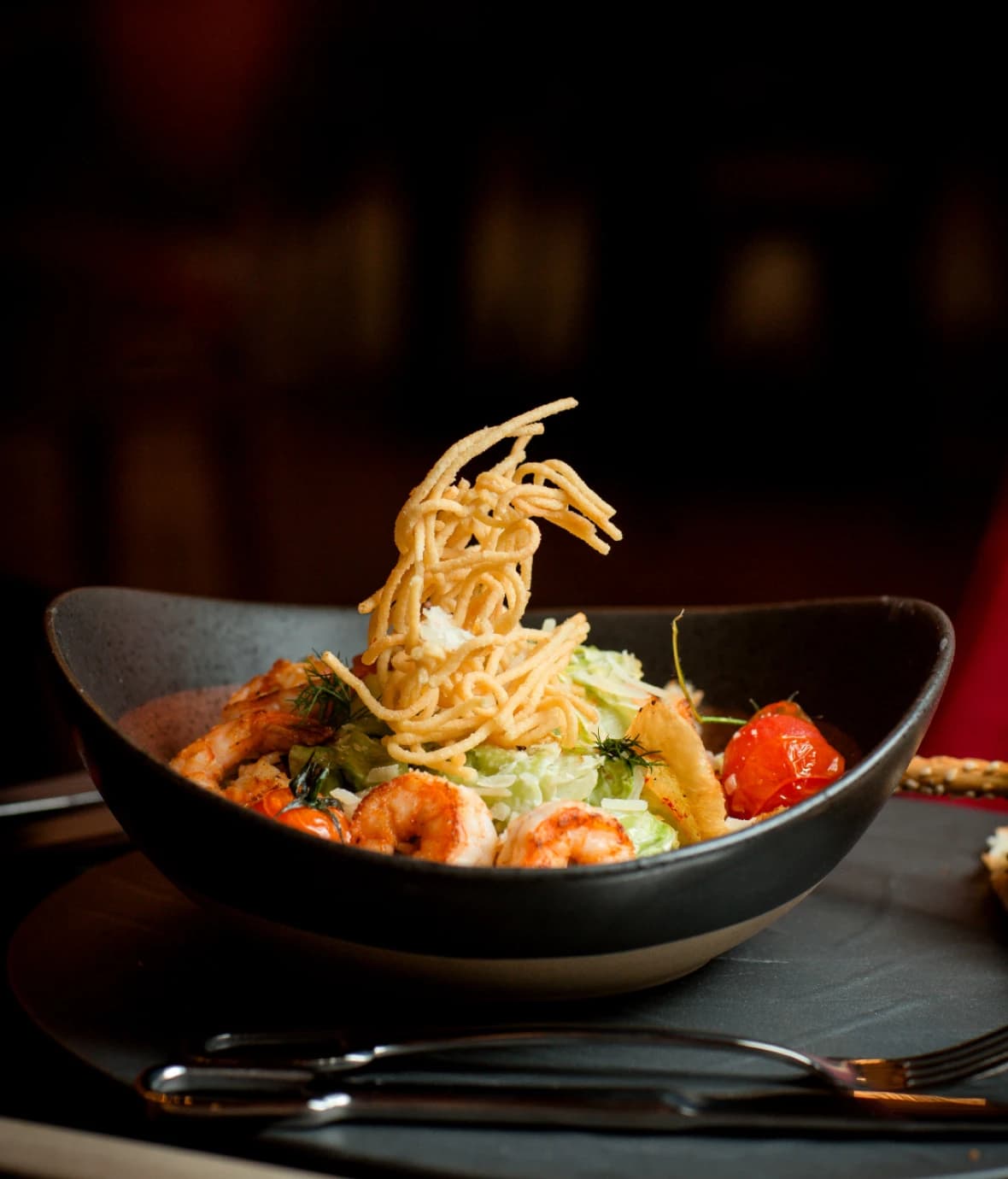
From ordering and delivery to cloud kitchens and loyalty, these are the restaurant platforms we build end to end, incorporating AI voice ordering, intelligent menu recommendations, and demand forecasting where they genuinely improve the ordering and operational experience.
A restaurant ordering app has to do more than display a menu. It needs to support item customization, cart management, scheduled ordering, reorder shortcuts, and clear order-status updates that reduce the number of "where's my order" calls a restaurant fields during a busy shift. Getting restaurant ordering app development right means designing for the moments customers get stuck: an unavailable item, an unclear substitution, a delayed confirmation, not just the ideal path.

Food delivery only works when three sides of the system stay in sync: the customer placing an order, the restaurant preparing it, and whoever is delivering it. Code Neptune builds the customer-facing food delivery apps alongside the restaurant dashboard and the dispatch or driver connectivity layer that keeps them aligned, drawing on experience across food delivery platforms and delivery tracking systems. For businesses that also want a browser-based ordering channel, our Best Food Delivery Website Development work covers the web side of the same order flow.

QR-code table ordering removes a step for the customer and adds one for the kitchen: an order placed from table 12 needs to route correctly, print or display in the right sequence, and still allow for a payment or feedback step once the meal is done. We build the full chain (QR menu, table-side ordering, kitchen routing, payment, and post-meal feedback) as a single connected flow rather than treating the QR code as a static PDF.

Reservation systems fail quietly when they don't account for real restaurant behavior: no-shows, walk-ins competing with bookings, and last-minute cancellations. We build reservation platforms that handle table availability, waitlists, automated reminders, cancellations, and branch selection for restaurants operating in more than one location.

A cloud kitchen often runs several virtual brands out of one physical space, which means order volume, menu changes and kitchen routing all need to be managed centrally even when the customer never sees that complexity. Cloud kitchen app development at Code Neptune covers multi-brand order handling, centralized menu management, kitchen routing logic, and delivery coordination for the operators tying it all together.

Underneath the customer experience sits the operational layer: POS, kitchen display systems, billing, order synchronization and live kitchen status. We build and integrate this layer so an order placed on a mobile app shows up correctly on a kitchen screen without a staff member re-entering it by hand.

Repeat orders matter more to most restaurant businesses than one-time transactions. Loyalty and engagement features, including rewards, points, memberships, targeted offers and recommendations based on past orders, are built to encourage that repeat behavior without adding friction to the checkout flow.

Chains and franchises need centralized administration with room for branch-level control: a head office managing menus and reporting, while individual locations manage their own staff permissions and daily operations. We build the platform layer that lets both levels operate without stepping on each other.

Building a successful restaurant platform requires looking beyond just the customer-facing interface. For a mobile app to deliver true value, it must sync flawlessly with kitchen displays, coordinate payment systems, handle complex menu setups, and provide multi-location reporting for management. Our tailored solutions balance frontend experience with robust backend operations to keep your restaurant running smoothly.
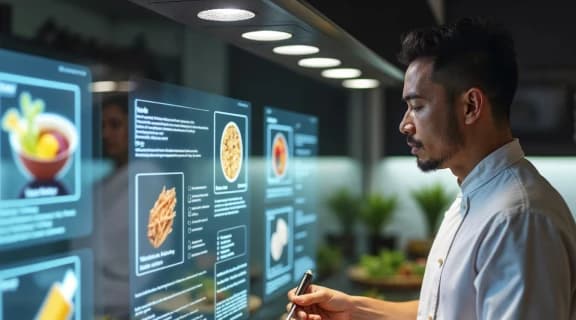
Before any screens are designed, we map the full order path (customer, restaurant, kitchen, payment, fulfillment and delivery) so the product is built around how orders actually move through a business, not a generic ordering template.
Custom restaurant app development covers iOS, Android and cross-platform builds for both customer-facing apps and internal staff applications, built around the specific ordering model, menu structure and operational setup of the business commissioning them.
Not every customer wants to install an app to order food. A responsive web ordering storefront gives restaurants a second channel that reaches customers who arrive through a Google search, a social media link, or a QR code, without requiring an app-store download first.
Faster ordering expectations have reshaped restaurant technology, from broader food delivery platforms to the rise of quick commerce apps and 10-minute delivery models. We don't promise a specific delivery time, since that depends on logistics decisions outside the app itself, but we do build the ordering, dispatch, location tracking and real-time availability systems that make fast fulfillment achievable. Restaurants and delivery businesses exploring this model often pair it with our On Demand Quick Commerce App Development Company work.
This is where most of the operational weight sits: admin dashboards, POS connections, kitchen display integration, CRM, inventory visibility, payment processing, delivery-provider integrations, analytics and notification systems. A restaurant app is rarely judged on its backend, but it depends on it completely.
Many restaurant businesses come to us with software already in place rather than starting from zero. That work covers legacy platform modernization, API migration, extending an existing system to mobile, performance improvements, and adding features as the business grows.
Share your ordering, delivery, loyalty, and operational needs to shape a practical restaurant product roadmap
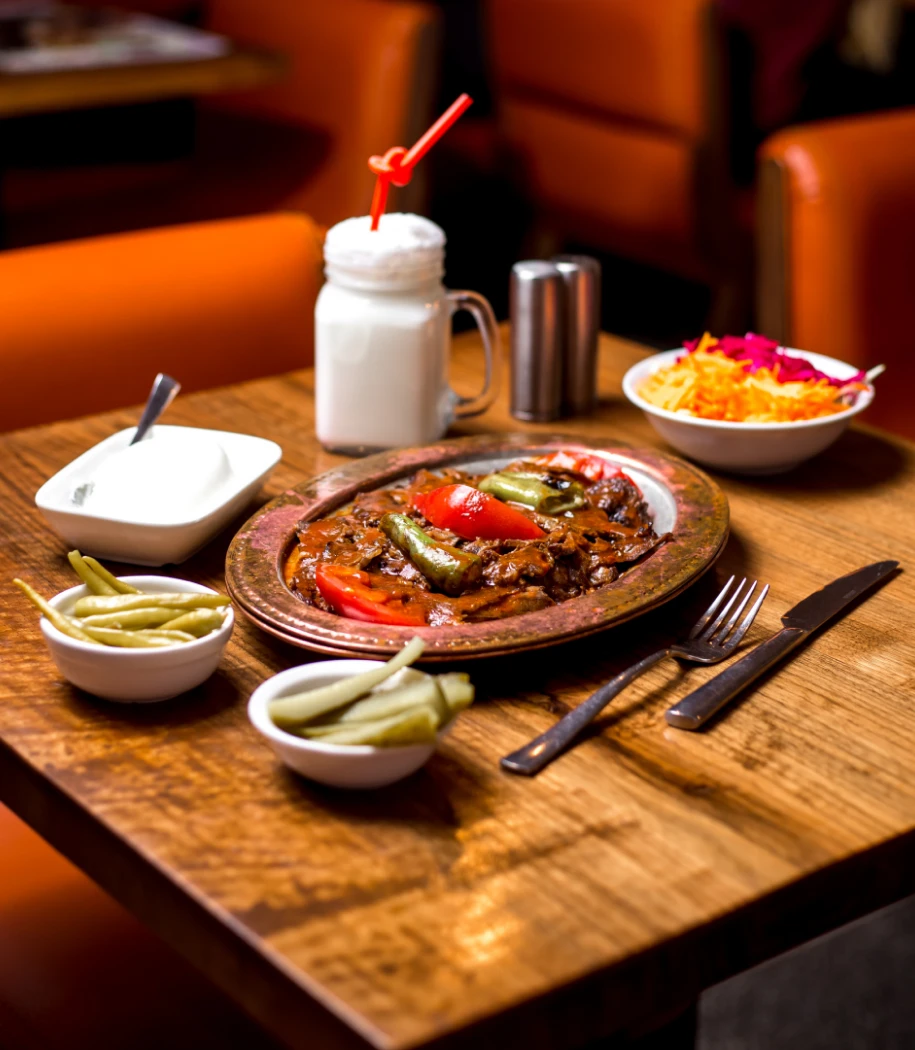
A diner signs in, places an order, pays, and the restaurant receives it. The kitchen processes it, and the customer gets an update once it's ready or on its way. Several systems exchange customer and operational data throughout that sequence, and each handoff is a point where things can go wrong if it isn't handled deliberately.
Trusted gateway integrations and secure transaction workflows
Role-based access for owners, managers, staff and administrators
Infrastructure designed around peak ordering periods
The practices described above reflect our development approach and technical capabilities. They are not certifications held by Code Neptune, and specific compliance requirements should be confirmed with the relevant standards bodies for your business.
Owners, managers, staff and administrators see and control only what their role requires.
Customer and staff accounts are protected with authentication built for how each group actually logs in.
Transaction flows are built around established payment-security practices rather than custom, unaudited logic.
Connections to POS, delivery and payment providers are secured at the integration layer, not left open by default.
Order history, preferences and account details are handled with controlled access and storage practices.
Systems are tested under realistic order volume, not just idealized conditions.
Order and system activity is logged so issues can be traced and resolved rather than discovered after the fact.
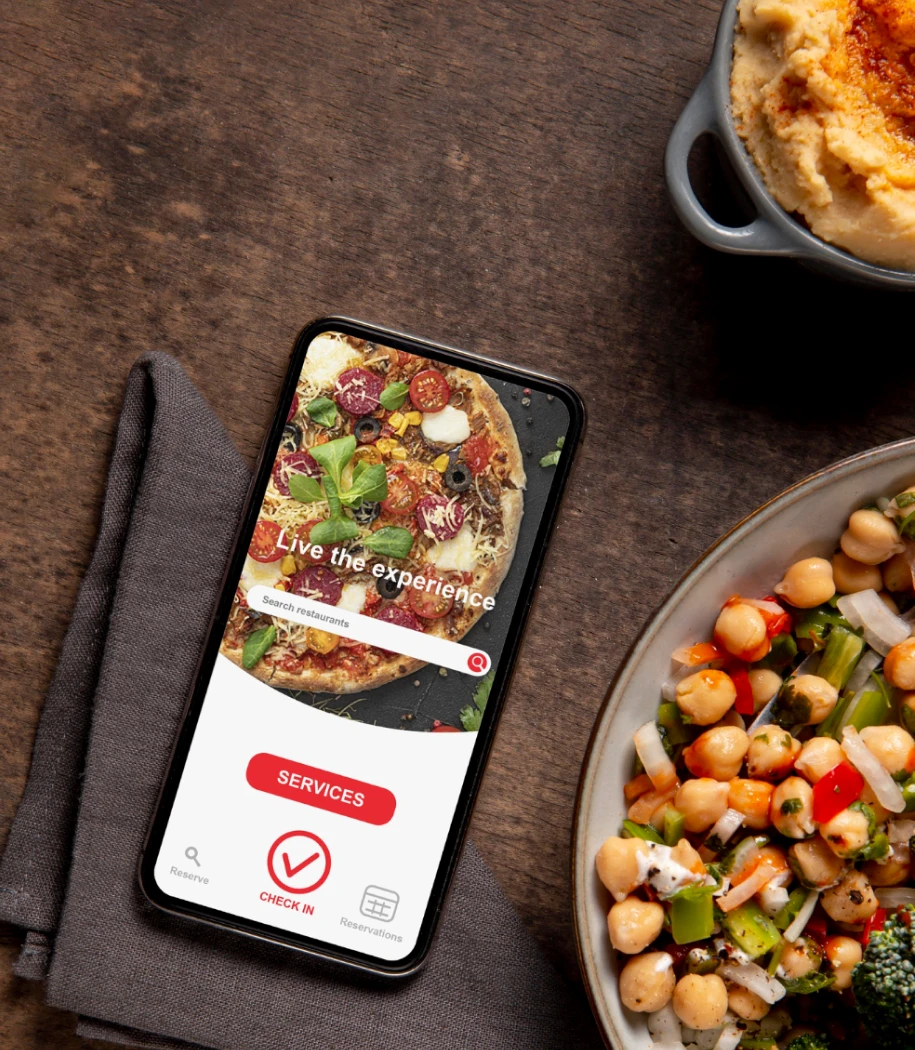
We transform your restaurant’s operational vision into a cohesive digital ecosystem. By integrating customer-facing interfaces with robust backend management, we architect scalable solutions that harmonize ordering, kitchen workflows, and fulfillment to ensure operational excellence at every touchpoint.
We map how orders, staff and information currently move through the business, on paper or through existing tools, before proposing any technology.
We determine what belongs in an initial version and what can wait, distinguishing MVP functionality from later-stage features.
Menu browsing, item customization, cart, checkout, reservations, order status and accessibility are designed around how customers actually move through an order, not just how a menu looks on a screen.
Mobile apps, web components, APIs, backend services, admin dashboards and third-party integrations are built as one connected system
Beyond standard QA, we test the situations that actually happen during service: peak order volume, a failed payment, an item going unavailable mid-shift, a delayed kitchen order, incorrect branch selection, dropped connectivity, and failed notifications.
Launch covers app stores, web, backend systems and the restaurant environments where staff will actually use the software day to day.
Order funnels, repeat-order rates, drop-off points, performance metrics and feature adoption inform what gets prioritized after launch.

Bring ordering, reservations, payments, loyalty, delivery, kitchen workflows, and customer engagement into one scalable restaurant platform built for growth.
Allow customers to place orders using natural voice conversations while helping restaurants automate reservations, FAQs, and order status updates.
Cost is driven primarily by the operating model a restaurant is building for, not simply the number of screens in an app. Ordering model, mobile platform choice, whether web ordering is included, POS integration requirements, delivery logistics, payment setup, number of locations, dashboard complexity, AI features and backend complexity all factor into scope and cost.
3–5 Months
Timelines and cost ranges are general estimates based on typical project scope. They are not fixed quotes; actual cost and timeline depend on the specific requirements, integrations and complexity of your project.
not just app development in general
and the staff-facing tools
and restaurant systems you already use
how the two connect?
under peak demand rather than just a demo
Got Questions ?
We have the answers. Explore everything you need to know about Code Neptune’s services, process, and technology.
A restaurant app development company typically builds the customer-facing ordering experience, mobile apps and web ordering, along with the operational systems behind it, including admin dashboards, POS integrations, kitchen display connections, and delivery coordination.
Yes. Many restaurants run both channels side by side: a mobile app for regular customers and a web ordering storefront for customers who arrive through search or social links without installing an app.
Yes. Marketplace-style food delivery app development company work typically involves a customer-facing app, individual restaurant dashboards, and a dispatch or driver layer connecting the two.
Timelines typically range from three to twelve months depending on scope. An independent restaurant's initial ordering app takes considerably less time than a multi-location platform with POS and delivery integrations.
Cost depends on the operating model rather than screen count: whether the project includes web ordering, POS integration, multiple locations, delivery logistics, and AI features all affect the final scope and cost. Get a project-specific estimate through a discovery conversation.
Yes. Integration with POS and kitchen display systems is a core part of most restaurant builds, since it's how an order placed by a customer reaches the kitchen without manual re-entry.
Yes. Voice-based ordering can be added as an alternative to manual menu navigation, particularly useful for repeat orders or hands-free ordering scenarios.
Yes. Multi-location and franchise support is built around centralized menu and reporting control at the head-office level, with branch-level permissions for individual locations.
Tell us how your restaurant experience should work, and we'll help shape the right product, integrations, and development roadmap
01
Let us know everything you want to achieve!
02
A quick, no-pressure call to understand your needs.
03
Enjoy transparent pricing with potential discounts!
Enquiry
Careers
+91 98416 00980Visit
No. 624, 3rd Floor – S2, Khivraj Building, Anna Salai, Chennai – 600 006


No. 624, 3rd Floor – S2, Khivraj Building, Anna Salai, Chennai – 600 006
Jobs :
careers@codeneptune.comEnquiry :
info@codeneptune.com