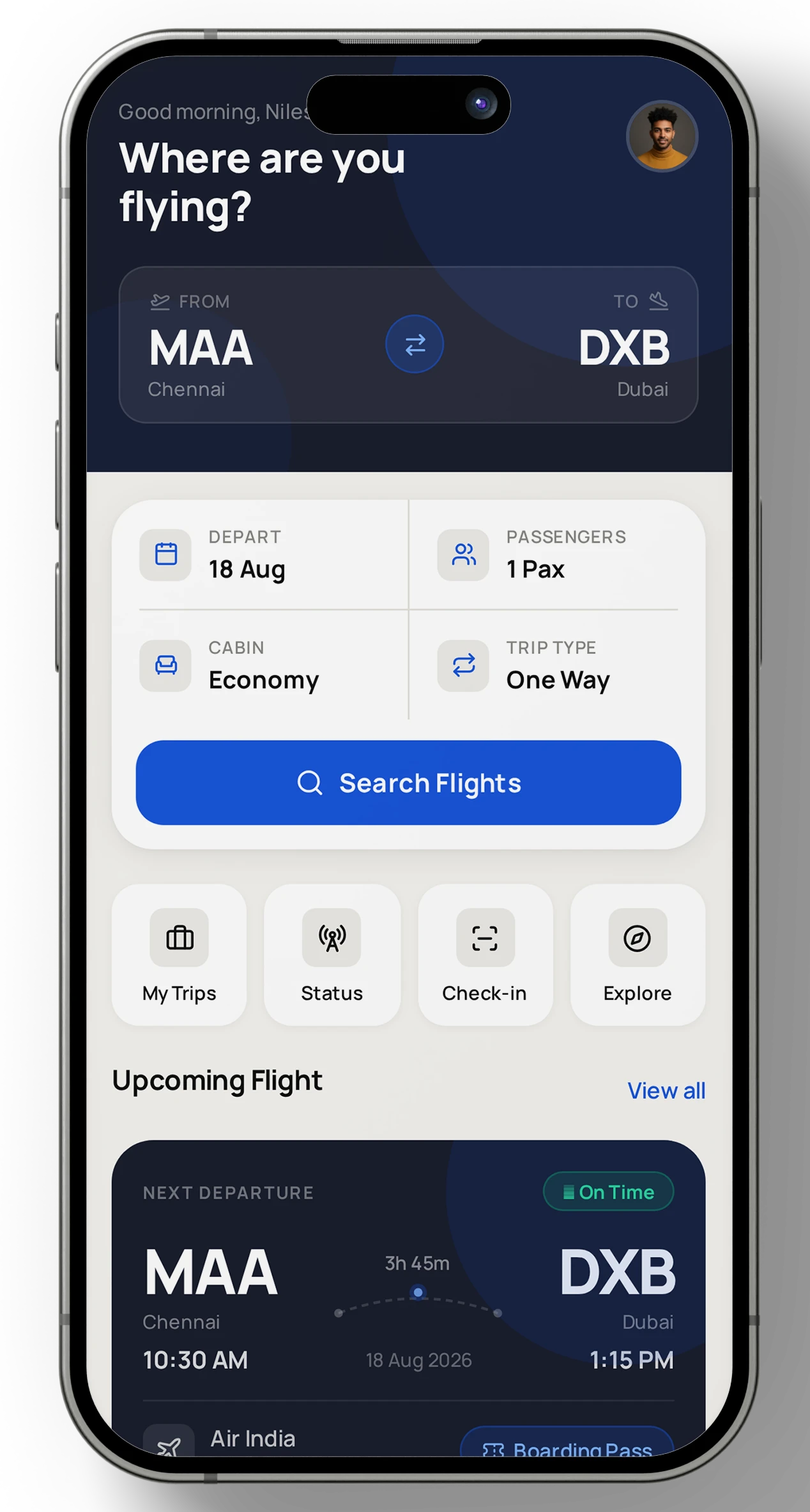
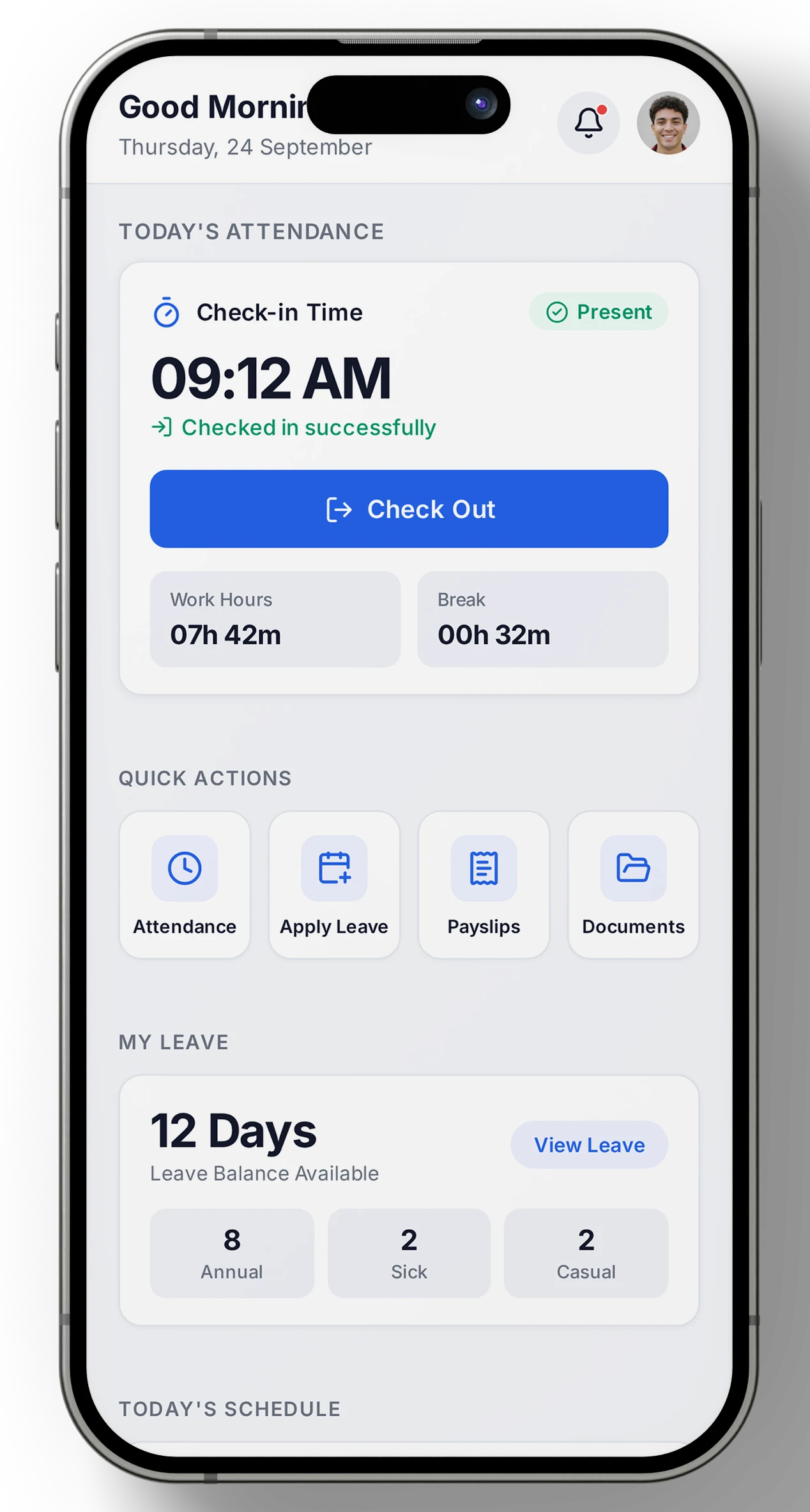
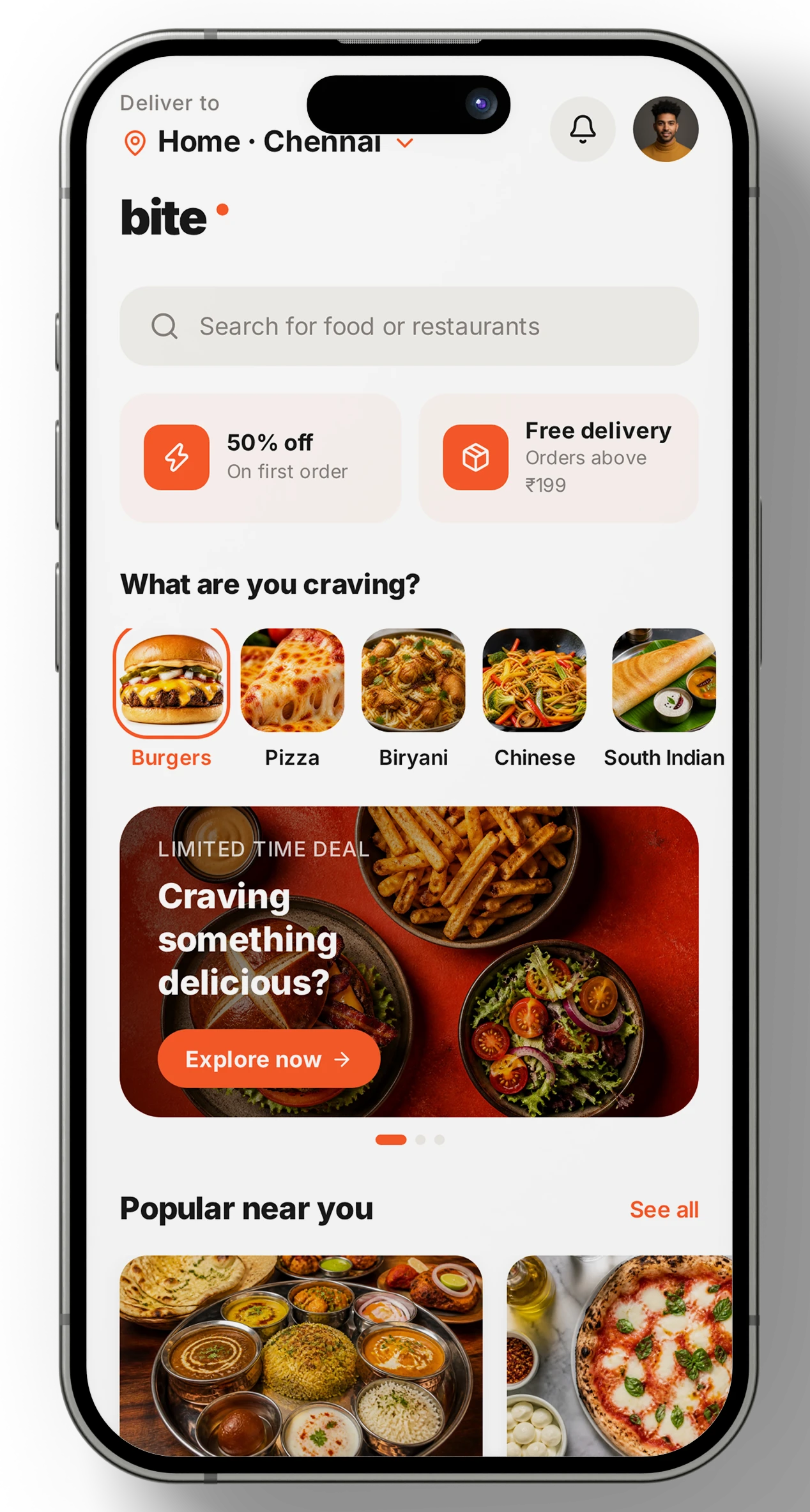
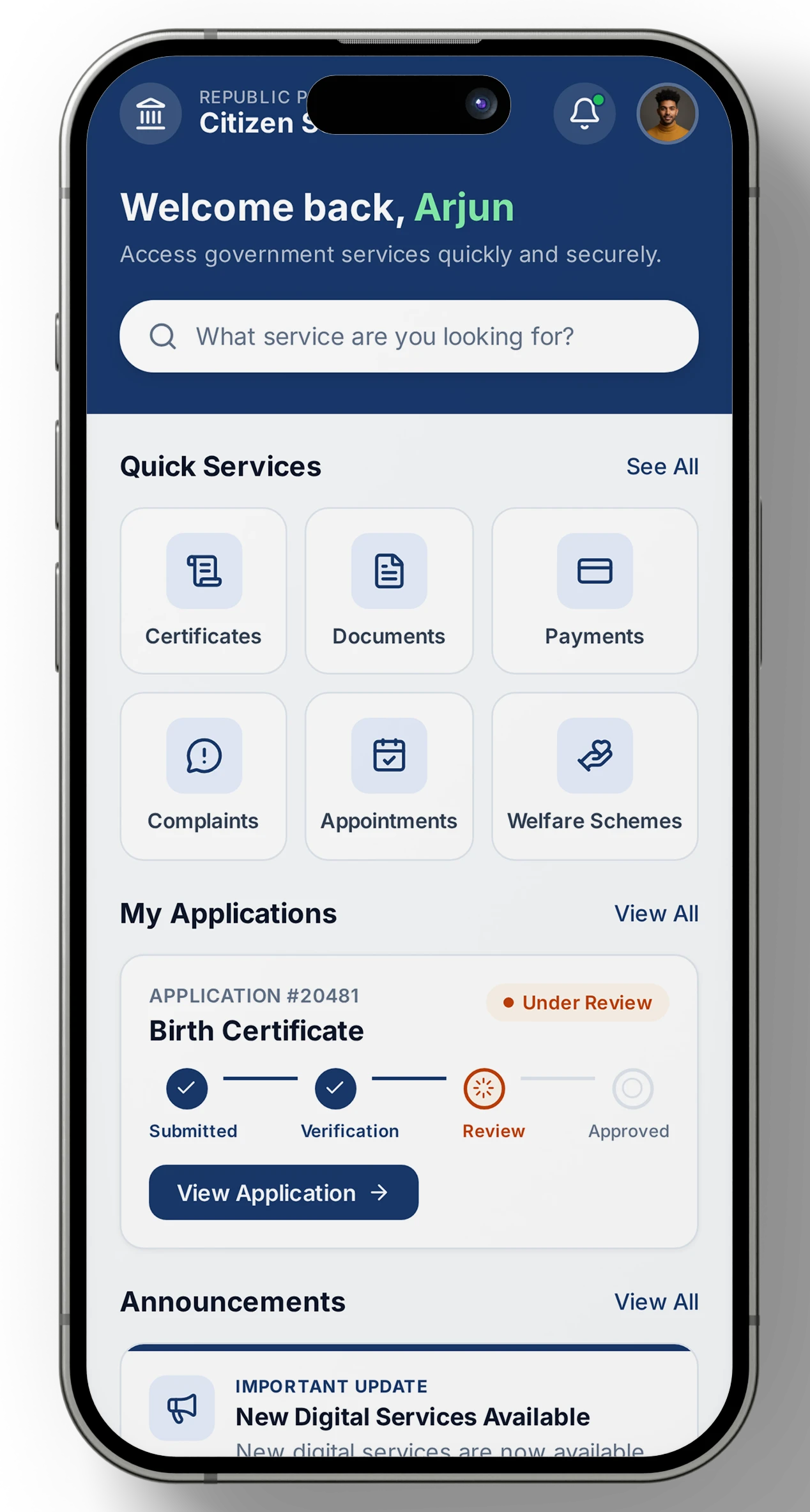
Complex Product Requirements
Translate business requirements into focused mobile workflows and scalable application architecture.



 Native iOS App Development
We build native iPhone and iPad applications with Swift, SwiftUI, and Apple's frameworks for startups, product teams, and businesses that need secure, high-performance digital products.

Swift
& SwiftUI

Native
iPhone & iPad

Apple Ecosystem
Integration
Our Customers trust Heap for digital insights

Top Mobile App Development Company

Top Web Designing Company

Top Verified Agency

Leading Design Agency

Best Company 2025 SEO Winner

Top Business Firms Verified
Leading Verified Agency

Top Digital Agency
Swift-based applications designed around Apple's native frameworks and platform conventions
We analyze your idea's potential and flag opportunities early
We assess scope, timeline, and complexity for a transparent roadmap
You receive a detailed roadmap covering cost, milestones, and timeline
Swift-based applications designed around Apple's native frameworks and platform conventions




Translate business requirements into focused mobile workflows and scalable application architecture.
Design interfaces around iOS interaction patterns instead of forcing a generic mobile experience onto Apple devices.
Connect mobile applications with authentication, APIs, databases, payments, cloud infrastructure, and third-party platforms.
Implement secure authentication, Keychain storage, permission handling, encrypted communication, and appropriate data protection practices.
Prepare the application, metadata, privacy information, screenshots, and submission requirements for Apple's review process.
These services sit alongside our broader mobile app development practice, so iOS work can be paired with Android or Flutter development for products that need coverage across platforms.
Product requirements, user journeys, platform strategy, technical scope, and MVP planning.

Interfaces designed around iOS interaction patterns, usability requirements, and Apple's Human Interface Guidelines.
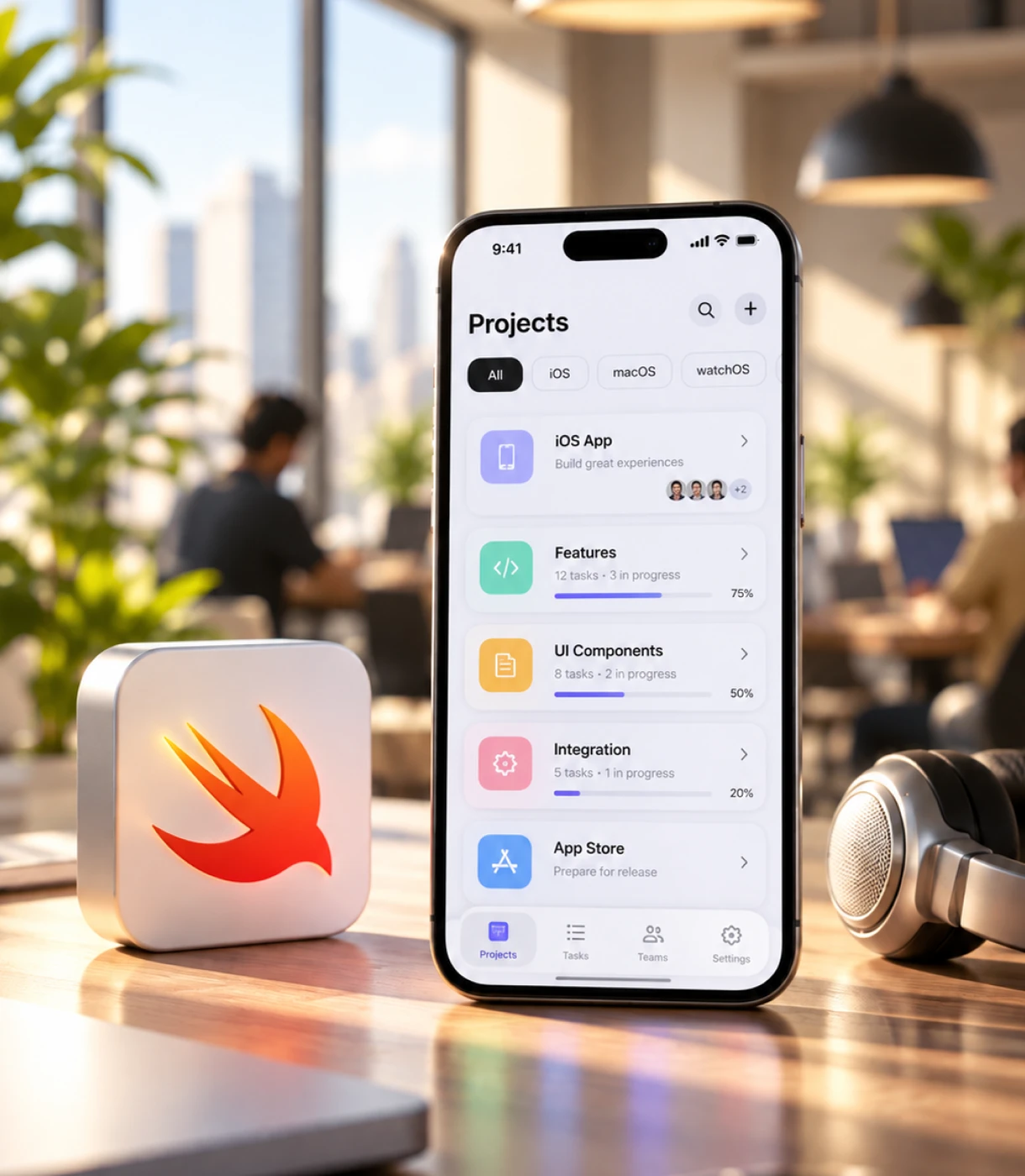
Native application development using Swift, SwiftUI, UIKit, and appropriate architectural patterns.
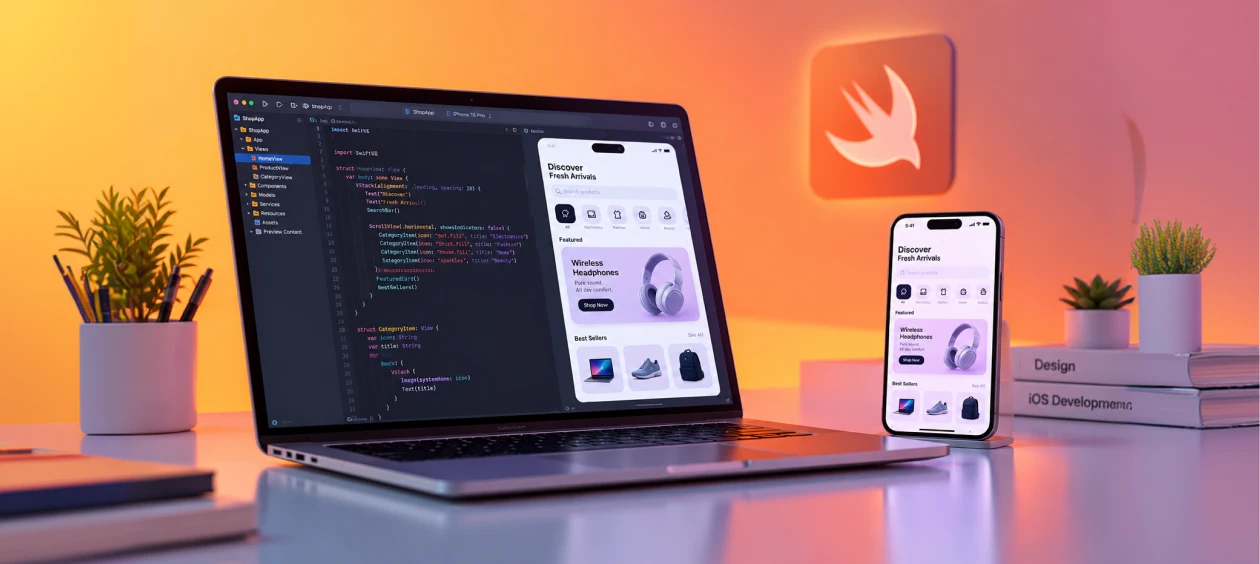
REST, GraphQL, authentication, payments, cloud services, CRM systems, analytics, and third-party integrations.
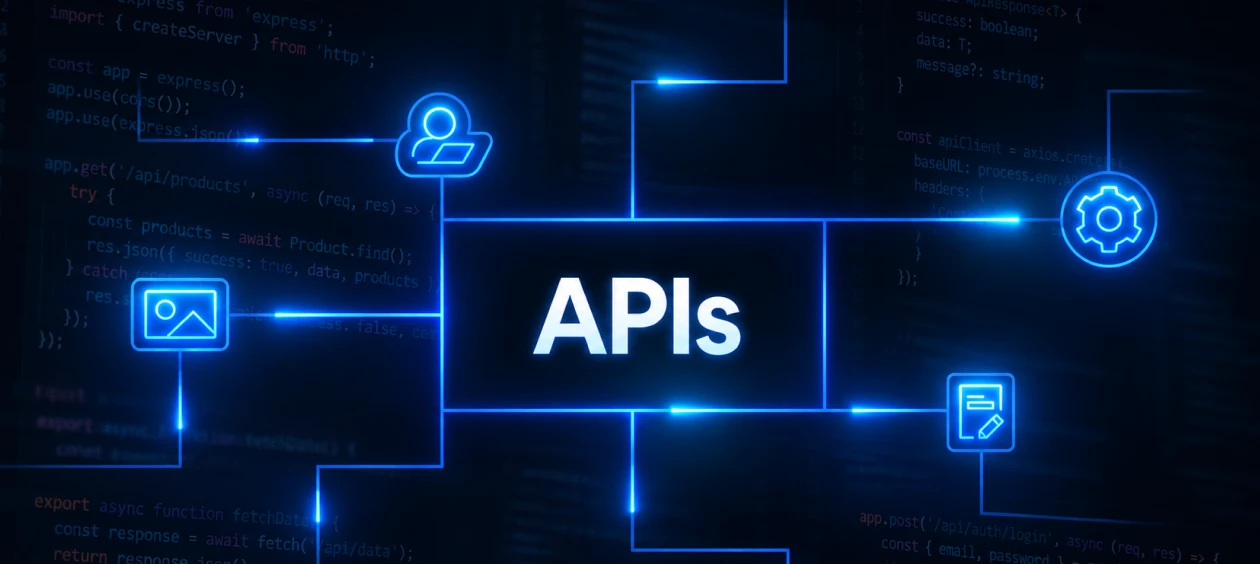
Apple Pay, HealthKit, CoreLocation, iCloud, Siri, push notifications, widgets, and other platform capabilities.

Functional, usability, performance, compatibility, and real-device testing.

Metadata preparation, privacy declarations, screenshots, submission, review support, and launch coordination.

Bug fixes, iOS updates, performance optimization, monitoring, feature enhancements, and long-term maintenance.

The right framework depends on performance requirements, timeline, platform needs, and long-term product goals, not a single “best” answer for a cross platform app development company.
Native Swift/Kotlin | Flutter Single codebase | React Native JS ecosystem | |
|---|---|---|---|
| Best for | Performance-critical, platform-specific experiences | Startups needing one codebase | JS-heavy teams building fast MVPs |
| Performance | Highest, direct platform access | Near-native | Near-native, with a JS bridge |
| Development speed | Slower, separate builds per platform | Fast, one build for both platforms | Fast, reuses JavaScript skills |
| Code sharing | None | High | High |
| Maintenance | Two codebases | One codebase | One codebase |
| Typical use case | Enterprise, feature-heavy | Startups and rapid scaling | Web/app alignment needs |
Swift/Kotlin
Single codebase
JS ecosystem
The frameworks, tools, and services we rely on to design, build, and ship native iOS applications.

Apple Pay and third-party payment gateways.
Maps, CoreLocation, geolocation, and location-based services.
Push notifications, messaging, and communication services.
HealthKit and applicable healthcare integrations.
CRM, ERP, analytics, authentication, and business APIs.
Cloud databases, storage, authentication, serverless services, and scalable APIs.
Security is considered throughout architecture, development, testing, and deployment, rather than added as a final step.
Implementing robust multi-factor authentication, OAuth 2.0, and token-based user verification.
Storing sensitive tokens, user credentials, and cryptographic keys securely on device hardware.
Leveraging Face ID and Touch ID for seamless and highly secure local authentication.
Enforcing HTTPS/TLS encryption and SSL pinning to prevent interceptive attacks.
Requesting system access like location or camera transparently and only when required.
Collecting, processing, and retaining only the user data strictly necessary for app functionality.
Encrypting local databases like CoreData or Realm to protect offline app data.
Applying role-based access controls to restrict data access according to user permissions.
Conducting continuous vulnerability assessments and code audits throughout development.
Preventing memory leaks and optimizing cache handling using ARC and value types.
Efficiently parsing, caching, and mapping network payloads for quick UI updates.
Downscaling, lazy loading, and caching assets to minimize memory footprint and render lag.
Batching requests, compressing data, and utilizing smart offline caching strategies.
Minimizing cold-start time by deferring non-essential initialization routines.
Maintaining 60/120 FPS by offloading heavy tasks from the main thread.
Leveraging BackgroundTasks framework for deferred data syncing without blocking the UI.
Optimizing location polling, push notifications, and hardware requests to conserve energy.
Tracking real-time stability metrics and diagnostics using tools like Crashlytics and MetricKit.
Structuring code with modular architecture to ensure smooth maintenance as features grow.
Native interfaces can closely follow Apple's platform conventions and interaction patterns.
Native frameworks provide direct access to Apple's APIs and device capabilities.
Products can integrate with Apple-specific services and hardware capabilities.
Applications can use Apple's security and privacy frameworks alongside application-level controls.
A well-structured native codebase can evolve with product requirements and future iOS releases.
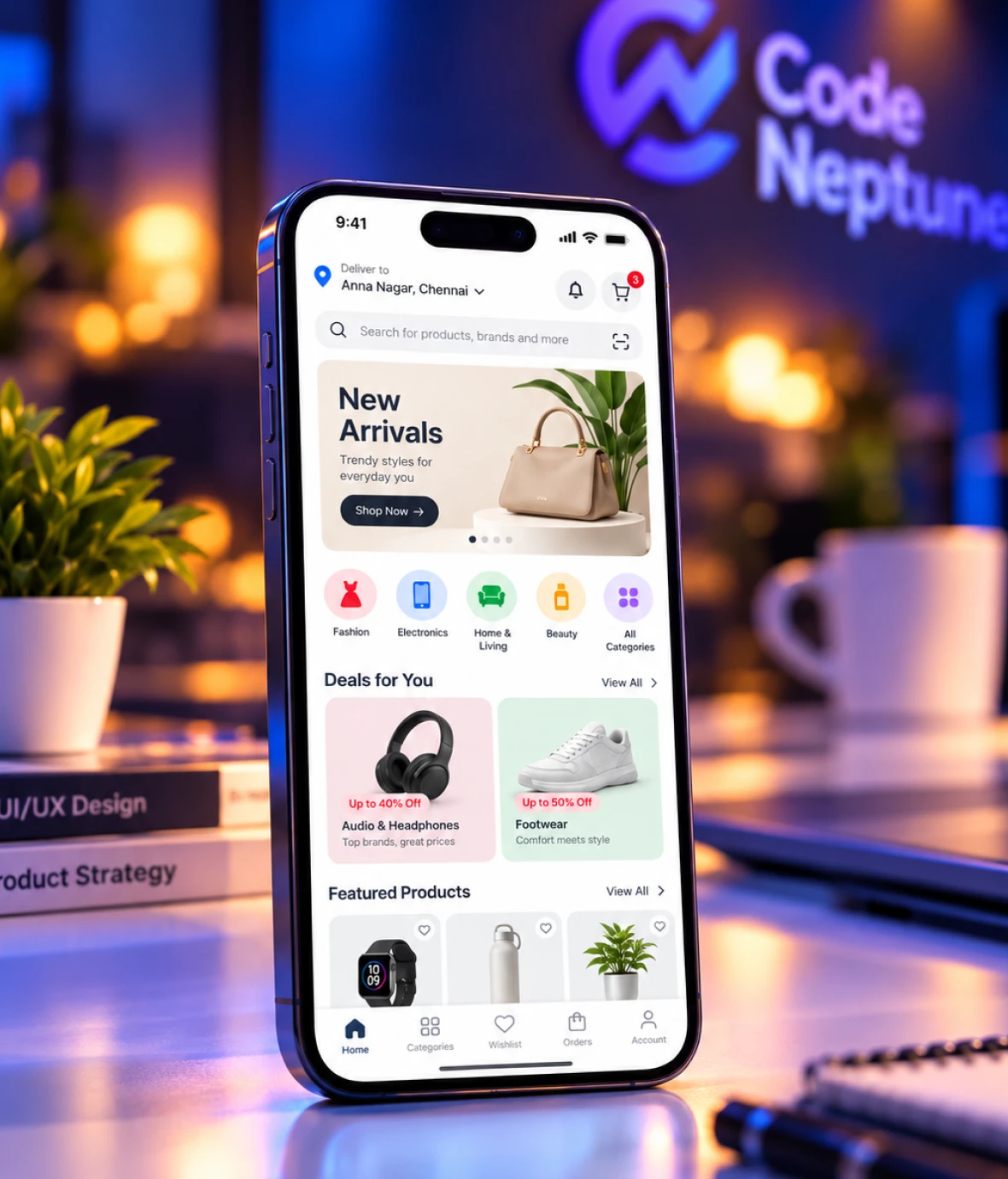
Share your product requirements, target users, core features, and timeline. We can help you define the right iOS scope, technology approach, and development roadmap.
A structured process from first conversation to App Store launch, built to reduce risk and keep scope clear at every stage. Teams new to this can also read our guide on the app development lifecycle, which walks through each stage in more depth.

Real projects, real outcomes. Explore how we've helped businesses across industries turn ambitious ideas into scalable, intelligent products.

Challenge
Optimize delivery operations, track vehicle fleets in real time, monitor driver performance, and streamline maintenance schedules.
Solution
Engineered a fleet management platform powered by route optimization, real-time IoT tracking, and automated driver analytics dashboards.
Impact
GPS/Geolocation APIs, IoT Vehicle Hardware, Cloud Databases, Real-Time Analytics Engines.

Challenge
Deliver real-time health metrics and seamless Apple Watch sync without compromising battery life or privacy.
Solution
Built a native iOS app using Swift and SwiftUI, leveraging HealthKit for biometric data, background processing for tracking, and Core Data for secure offline storage.
Impact
Achieved a 4.8-star App Store rating, over 100,000 active monthly users within 6 months, and a 40% improvement in user retention due to fluid native animations and reliable health synchronization.

Challenge
Streamline instant loan applications, automated credit scoring, secure KYC verification, and EMI tracking with maximum uptime.
Solution
Developed an end-to-end fintech platform with integrated payment gateways, automated credit verification, and secure digital transaction management.
Impact
Processed ₹50Cr+ in loan applications while maintaining 98% uptime and full regulatory compliance.
Swipe to explore more
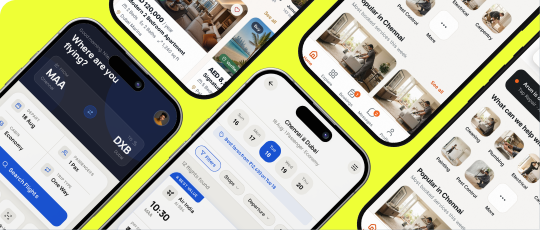
For startups validating a new product, MVP app development for startups can help turn a focused product idea into a usable first release without building the entire roadmap upfront. Instead of building every planned feature at once, we identify the workflows and features that matter most for the first release. If you want to build an MVP app, our approach focuses on launching a usable product, gathering real user feedback, and using those insights to shape the next stage of development.
Identify the problem, target users, and essential features
Develop the focused experience required for the first release.
Track feedback, usage, and product response after launch.
Use real insights to prioritize features and scale the product.
iOS app development cost depends on features, UI/UX complexity, Apple ecosystem integrations, backend requirements, security, and the number of devices supported. A focused iPhone MVP requires a different investment than a complex enterprise application.
₹1L – ₹3L
4–6 weeks
Validate the core idea with a focused feature set
₹3L – ₹8L
8–16 weeks
Multi-role apps with integrations and real-time features
₹8L+
4–8+ months
Scaled architecture, compliance, and deep system integration.
The right partner helps make better product decisions, not just write Swift code. These are the same criteria covered in our guide on how to choose a mobile app development company, applied here specifically to evaluating iOS vendors
The right partner helps make better product decisions, not just write Swift code. These are the same criteria covered in our guide on how to choose a mobile app development company, applied here specifically to evaluating iOS vendors
Can the team demonstrate genuine Swift, SwiftUI, UIKit, Xcode, testing, and App Store experience?
Can they translate business requirements into a practical MVP and roadmap?
Can they explain API architecture, data handling, scalability, and maintainability?
Do they have a defined approach to authentication, data protection, permissions, and secure APIs?
Will you receive source code, documentation, credentials, and project assets?
pens after the application is published?
If Chennai-based collaboration matters, does the company provide accessible product and engineering teams?
Code Neptune works with startups, businesses, product teams, and enterprises from its Chennai base, with delivery capability for clients across India and international markets.
Choose the way of working that matches your scope, budget and how much flexibility you need.

Ensuring seamless compatibility with new iOS releases and Apple SDK changes.
Rapid troubleshooting and resolution of reported operational issues.
Real-time tracking and proactive remediation of stability bottlenecks.
Continuous tuning of UI responsiveness, memory usage, and battery efficiency.
Regular patches to maintain data protection and compliance standards.
Iterative upgrades to align with evolving product strategy and user needs.
Evaluating user engagement metrics to inform future platform updates.
Maintaining robust backend connectivity and third-party service integrations.
Expanding infrastructure capabilities to accommodate growing user traffic.
Got Questions ?
We have the answers. Explore everything you need to know about Code Neptune’s services, process, and technology.
iOS app development is the process of building mobile applications specifically for Apple devices — iPhone and iPad — using Apple's tools and programming languages. It covers designing, coding, testing, and submitting apps to the App Store using Swift, working within Apple's frameworks and Human Interface Guidelines.
Cost depends on feature complexity, UI requirements, backend integrations, Apple platform APIs used, compliance requirements, and post-launch support scope. A focused MVP and a full-featured fintech app sit at very different price points — we provide itemised estimates after a discovery conversation, not before understanding what's being built.
We build for iPhone by default, with iPad support added where the product genuinely benefits from it — adaptive interfaces and split views require different design and QA effort, so this is scoped based on actual user need.
Yes, where the product genuinely requires them. Apple ecosystem integrations are scoped during discovery rather than added by default.
Yes. MVP scoping and build is one of our core iOS engagement types, built to validate the product with real users before scaling investment.
Yes. See our Android App Development Company in Chennai page, or our Flutter page if a shared codebase across both platforms fits the product better.
Native iOS is the stronger choice when performance, deep Apple ecosystem integration, premium UX, or platform-specific features like HealthKit, ARKit, or Apple Pay matter to the product. If the roadmap is iOS-only, or the product's success depends on how well it feels on iPhone, native development typically outperforms a shared-codebase approach.
A focused native iOS MVP with core user flows typically takes eight to sixteen weeks from discovery to App Store submission. A more complex application with multiple modules and Apple platform features takes longer. Timeline clarity comes from scope clarity, which is why discovery happens before any estimate.
Yes. Swift is our standard language for native iOS development, with SwiftUI or UIKit chosen based on product requirements and long-term maintainability.
Yes. This includes metadata, screenshots, privacy nutrition labels, age ratings, data usage declarations, and managing the review process with Apple.
Yes — iOS version updates, bug fixes, performance tuning, and feature enhancements through flexible support plans.
Yes. We sign NDAs before discussing product specifics, and full Swift source code, Xcode project files, and credentials are delivered on completion.
01
Let us know everything you want to achieve!
02
A quick, no-pressure call to understand your needs.
03
Enjoy transparent pricing with potential discounts!
Enquiry
Careers
+91 98416 00980Visit
No. 624, 3rd Floor – S2, Khivraj Building, Anna Salai, Chennai – 600 006


No. 624, 3rd Floor – S2, Khivraj Building, Anna Salai, Chennai – 600 006
Jobs :
careers@codeneptune.comEnquiry :
info@codeneptune.com